12 March 2024
Belgium faces a significant challenge in upscaling financing for residential renovations—a critical step towards achieving our climate goals. On the 22nd of February, we had the privilege of sharing insights from our comprehensive study on this pivotal subject, conducted in collaboration with ENERGINVEST and CLIMACT, and supported by FINANCITE. The mission was commissioned by SFPIM which contributes, as part of its mission, to the acceleration of the energy renovation of private residential buildings by positioning itself as a key partner in a financing scheme for households.
Our investigation tackled the challenge of leveraging existing practices both locally and internationally in terms of financing mechanisms and instruments and provide preliminary design for their application in Belgium. To that end, we modelled renovation needs alongside household financing capabilities and fostered stakeholder engagement to provide a roadmap towards detailed design and implementation.
To the 100+ attendees at this SFPIM event, we presented five key outcomes:
- Additional measures are needed to accelerate energy renovation and reach the 2030 and 2050 targets.
- Critical market failures remain, they must be overcome by leveraging private financial instruments together with specific public intervention.
- A home renovation loan scheme can be developed to attract and leverage private finance.
- The scheme opens the door to increased accessibility to private financing while lowering costs for homeowners and governments.
- OSS are key to support these mechanisms.
This study marks a vital step forward in our journey towards sustainable living spaces and a resilient future. We would like to thank all the stakeholders involved in supporting this study and SFPIM for their leading role in this topic.
EDIT (16/04/2025):
We have remained active on the financing of renovations topics since the study for SFPIM and are now joining forces with Antwerp to test the acceptability of innovative financing mechanisms for co-owners in large condominiums. This hands-on project is called LINK, which takes place from 2024 until 2026 and is financed through the EU Pilot Cities Programme (in the scope of the Linkeroever NetZeroCities mission).
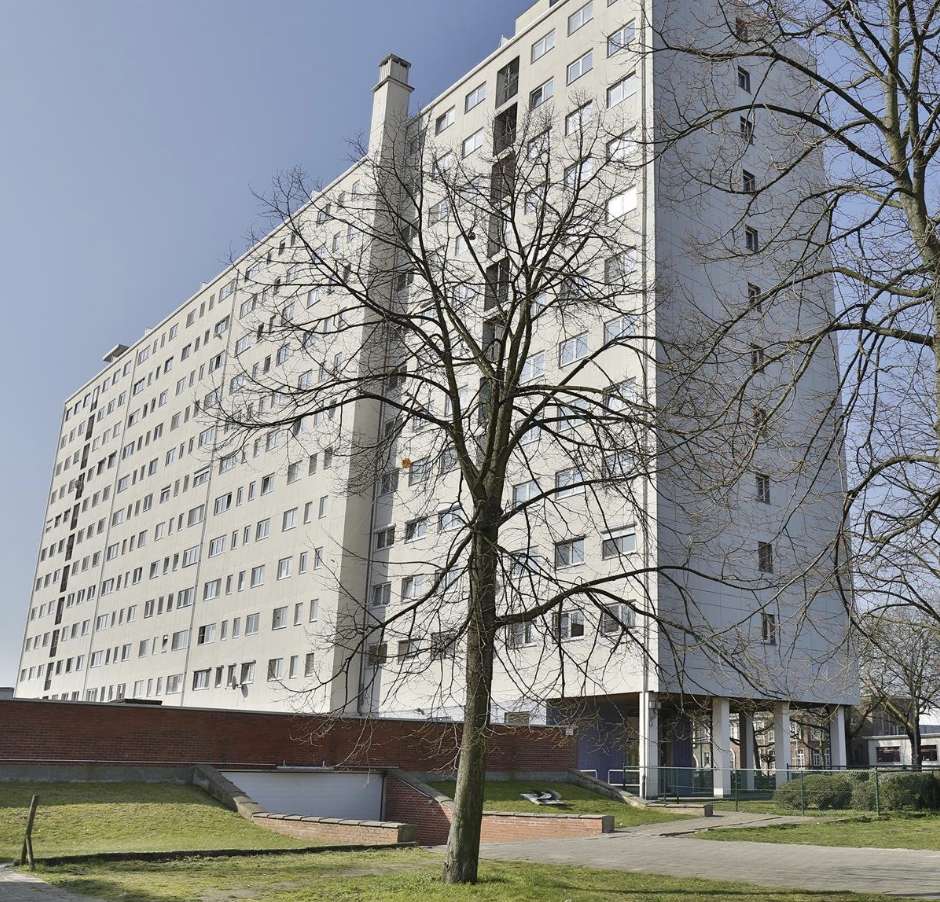
The LINK pilot project focuses on financing mechanisms for condominiums renovation, as these also will have to be increasingly renovated (voluntarily or obligatory). However, actions impacting the common parts/functioning of the condominium are decided upon by a voting of the Co-Owner Association. If the majority (50+1 or 2/3rd) approves the action, the others have to accept the decision and participate to the action. The co-owners that can’t find a financing solution to afford their share of the repayment are forced to move out, i.e. they are renovicted.
By designing new financing solutions that meet the (financial) needs of these co-owners the aim is to avoid such renovictions. We are now designing promising financing mechanisms together with Antwerp and the relevant financial stakeholders (incl. Impact Finance Belgium) and will start later this year with the field testing of the acceptability in two pilot cases.
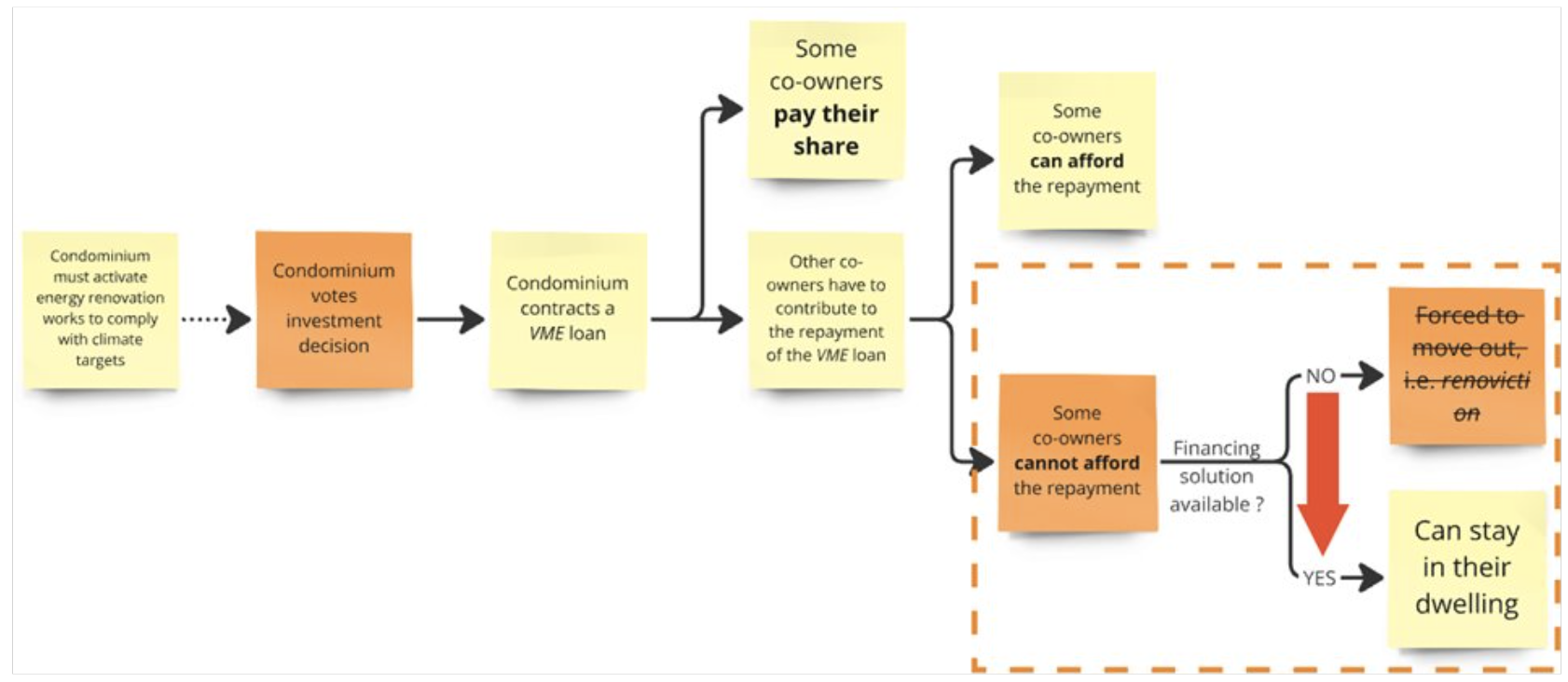
While it’s not the primary objective of LINK, we are trying to put everything in place with the relevant parties to start a pilot project of a specific financing mechanism after the project’s end.
SLIDES CLIMACT-EIDownload the report SFPIM